Inclusive diving
Diving for people with disabilities: underwater, no one is left behind.
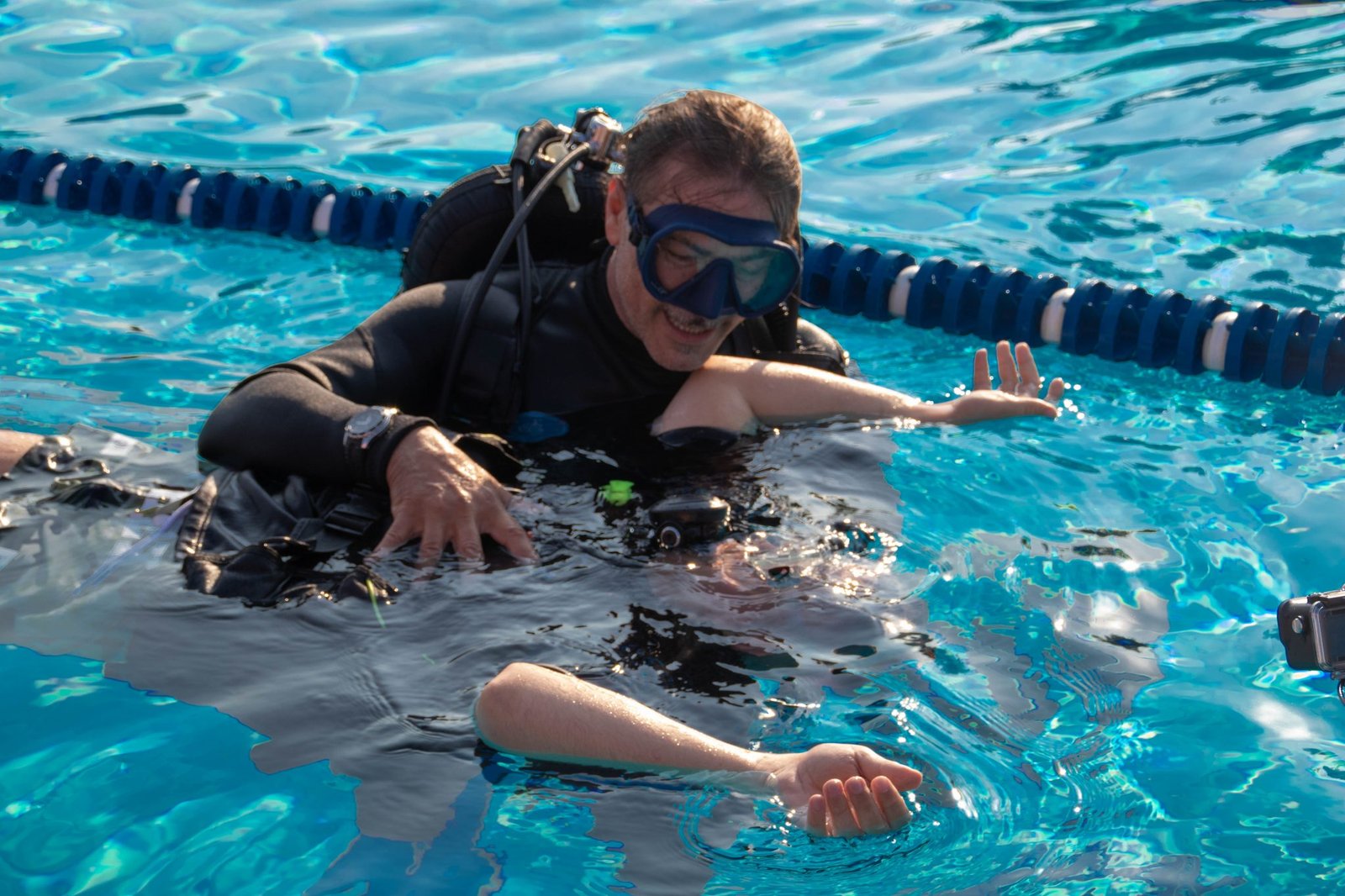
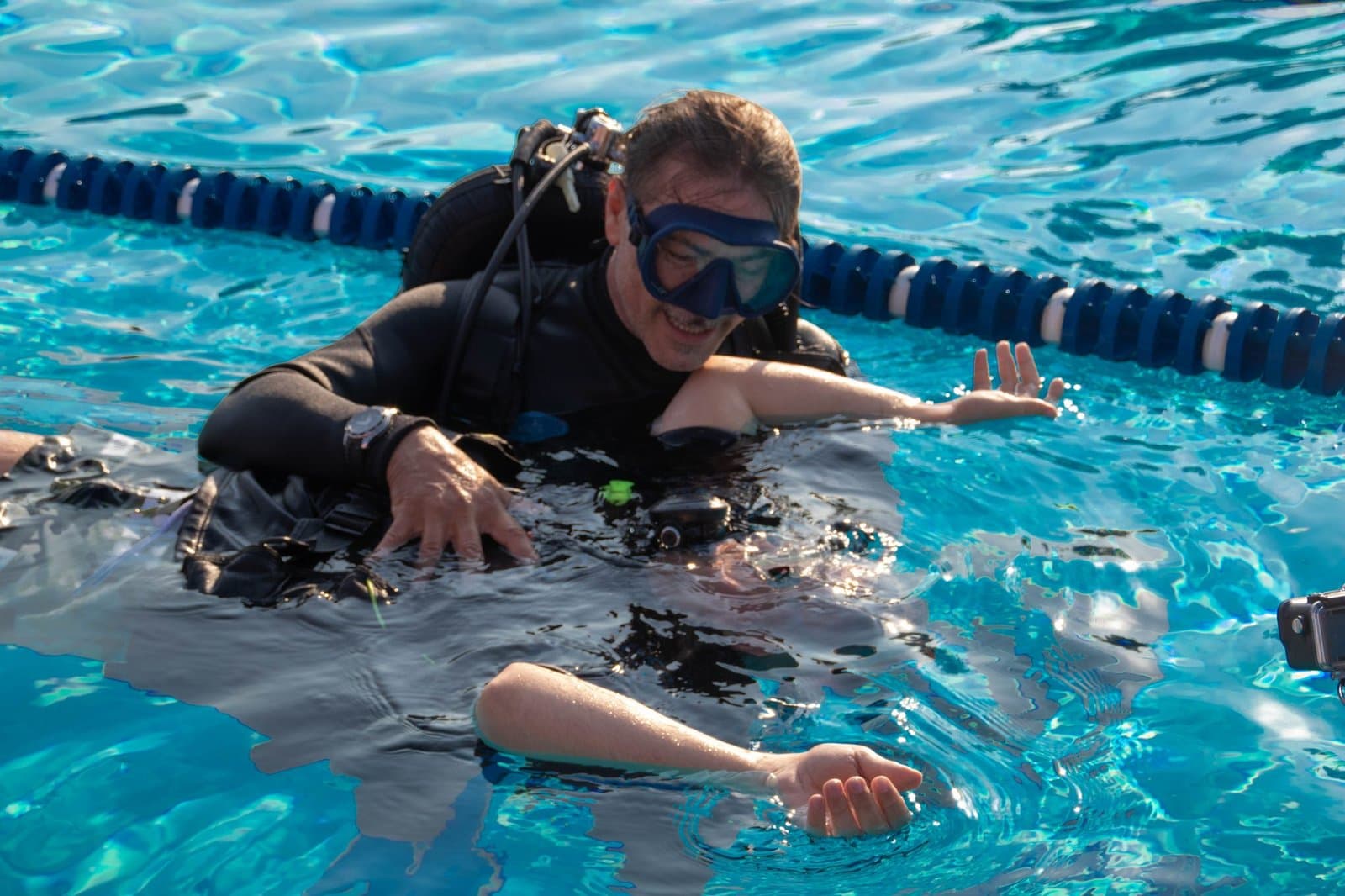
With the Diving For All project we want to break down every barrier that keeps people with disabilities from scuba diving — and sport in general. Underwater they discover themselves incredibly able: the feeling of diving, of almost walking through space, suggests a new physicality. No one should be left behind.
HSA-certified school
ATIS Diving is an HSA Italia (Handicapped Scuba Association) certified school and the HSA reference centre for Lake Garda and the province of Verona, with a dedicated teaching programme for diving activities of people with disabilities.
The HSA courses
A first taste of scuba diving, fully supervised by dedicated HSA instructors.
The entry certification adapted to each person's abilities, to dive independently at your own level.
Learn to safely and simply accompany a dive buddy with a disability.
The advanced level for those who want to go further, always safely.
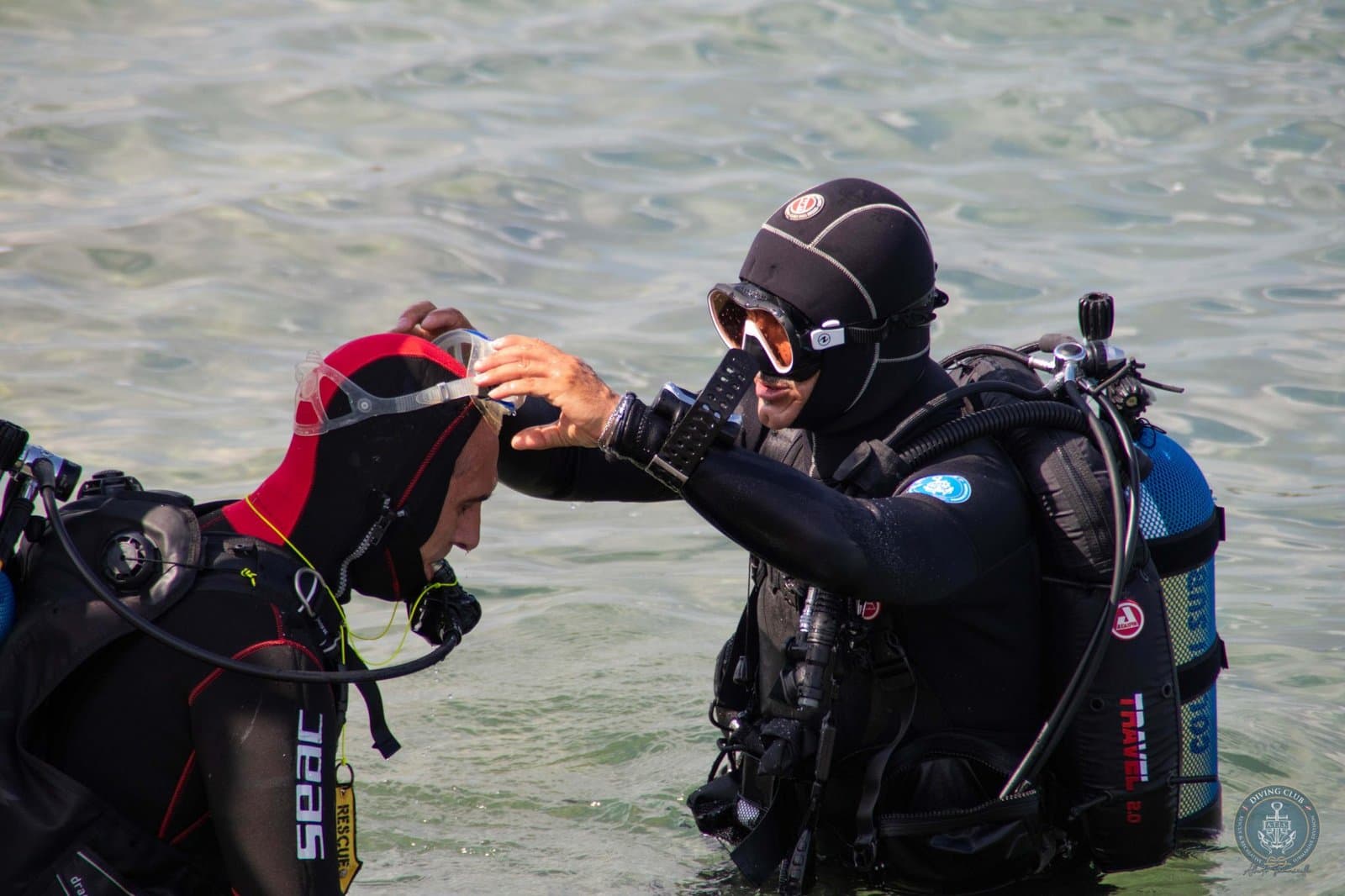
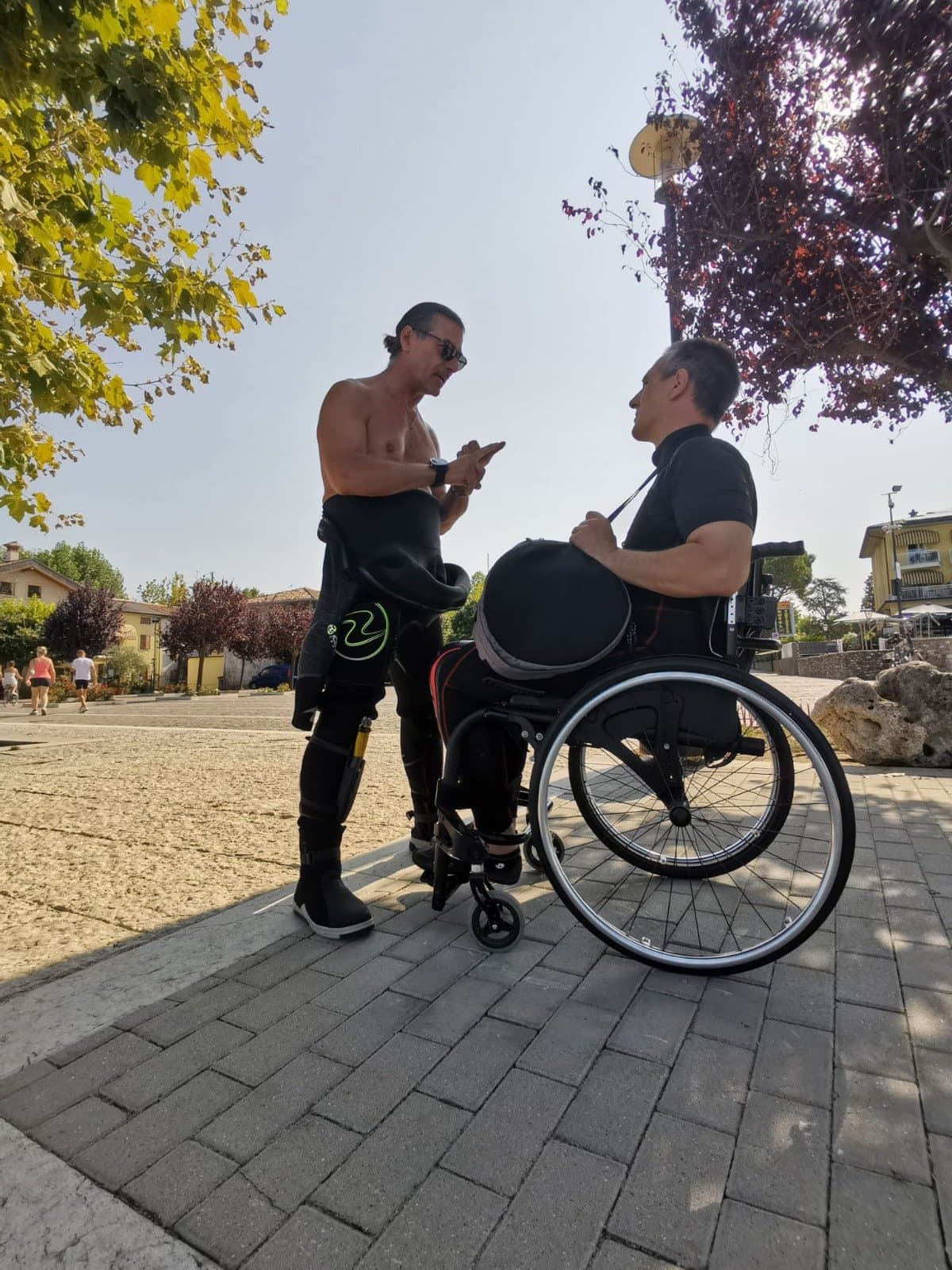
For people with physical or sensory disabilities who want to discover the underwater world, and for anyone who wants to train in inclusive dive buddying and teaching.
Frequently asked questions about inclusive diving
Wondering whether you can become a diver with your disability? Most likely yes. HSA diving was created precisely to open the underwater world to those who thought it wasn't for them. Here you'll find the answers to the questions we're asked most often — honestly, with no impossible promises.
I use a wheelchair: can I really dive?
Yes. People with paraplegia, quadriplegia, post-polio syndrome, multiple sclerosis, spina bifida or amputations have been diving all over the world for more than forty years. The HSA method we follow was created exactly for this: it assesses your abilities in the water, not your disability on land. And there is one detail that always surprises: underwater the wheelchair stays on the shore, and with it the weight of the body.
I am blind: what would diving mean for me?
More than you imagine. Underwater, touch, hearing and body awareness are heightened: the changing temperature, the currents on your skin, the sound of your breathing, the shapes of the bottom under your fingers. Blind people have been diving with the HSA method since the 1980s, accompanied by buddies trained to communicate through tactile signals. Many say it is the most intense experience of their lives.
I am deaf: can I take the course?
Of course — and in some ways you start with an advantage. Underwater nobody speaks: every diver in the world communicates with hand signals. The theory part of the course is adapted to your needs, and in the water you will be in an environment where visual communication is the norm for everyone, not the exception.
My child has Down syndrome or an intellectual disability: can they try?
In many cases yes. The world's first diving certification issued to a person with an intellectual disability was signed by HSA Italia in 2004. Written authorisation from the parent, guardian or support administrator is required, along with a specific medical assessment that also covers psychological aspects. For anyone not cleared for scuba diving there is a wonderful alternative: adapted snorkelling, to experience the water and the group anyway.
I am not a strong swimmer: is that a problem?
No. You don't need athletic ability or a perfect stroke: you need to feel at ease in the water, and that is built together, gradually, starting in the pool. The equipment supports you, the instructor is always by your side and you set the pace.
I have heard about level A, B and C certifications: what does that mean?
It is the HSA multilevel certification, and it is not a ranking: every level does real dives. The level simply indicates how many buddies you dive with. Those who meet all the physical performance standards get level A and dive like any other diver; those who need more support get level B or C and dive with two buddies, one of whom has specific training. The emotion, the depth of the blue and the fish are identical for everyone.
Is the HSA certification recognised?
Yes. HSA (Handicapped Scuba Association) is an international training agency: the certifications issued are valid and recognised worldwide.
Do I need a medical certificate?
Yes: in Italy, to take part in a diving course you need a medical examination certifying specific fitness for scuba activity. Don't worry: we explain exactly which examination is required and how to get it, and it is the same rule that applies to any diver, with or without a disability.
And what if the doctor says no?
It can happen, and safety comes first. But “no to tanks” does not mean “no to the water”: adapted snorkelling and group swimming activities exist, and in many cases fitness can be reassessed over time. With us nobody stays on the shore: together we find the right way for you to experience the lake.
Where do the inclusive programmes take place?
Theory and pool at our school in Verona (Dossobuono), open-water dives in Lake Garda, setting off from our diving centre in Peschiera. Alberto Tumminelli has been the HSA referent for Lake Garda and the province of Verona since 2021.
Didn't find your question? Tell us about your situation — we'll answer honestly. For any doubt you can talk to one of the group's instructors, continuously trained to give you the right information.
Want to dive with us?
Tell us about your goals: we’ll build the right experience for you together.